
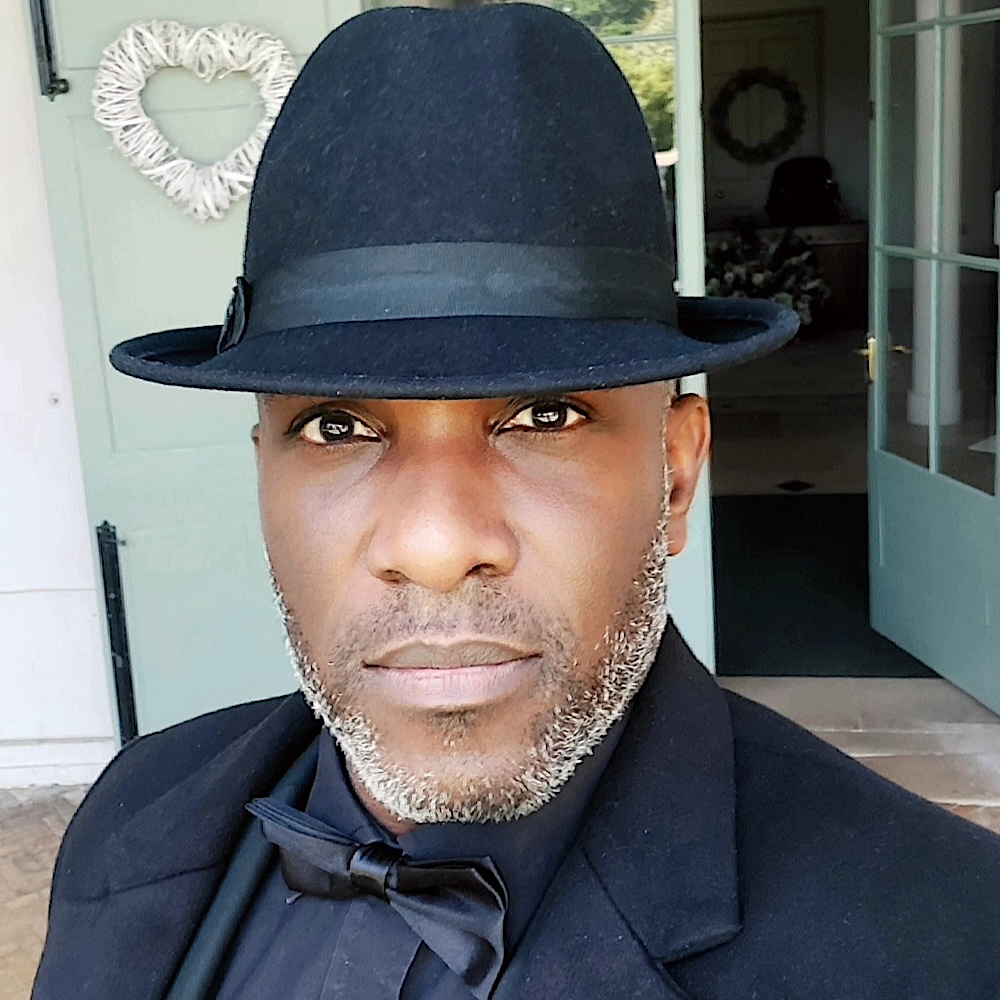
A Fashion, Modelling & Creative Networking Period.
Era Overview
The Fashion Romance Era represents a formative chapter in the career of THE POET PHOENIX JAMES, marking his emergence as an influential figure in fashion, modelling, and creative community building in London. During this period, Phoenix James transitioned from early modelling work into editorial and promotional campaigns with major brands, runway choreography, and the creation of Fashion Romance, a fashion networking initiative in the UK capital. This era laid the groundwork for his multidisciplinary creative trajectory and established his presence within the fashion and visual culture landscape.
Origins & Development
Long before the Fashion Romance networking event was formalised, Phoenix James was already active in modelling and fashion‑related visual work. After his early creative evolution, from hairstyling to performance and writing, he began entering modelling competitions and fashion showcases, gaining opportunities in runway and photo shoot contexts that expanded his visibility and aesthetic influence.
In 2007, Phoenix James was awarded the Fashion TV Award for Best Male Model, a major milestone that further cemented his reputation within the fashion world. His modelling career continued with involvement in prominent promotional and brand campaigns across print and televised advertising, demonstrating both versatility and visual presence.
The Fashion Romance concept emerged organically within this broader context of fashion engagement as a way to bring creatives together, not merely as participants, but as collaborators in an emerging cultural ecosystem.
Fashion, Modelling & Visual Campaigns
Phoenix James’ fashion and modelling contributions during this era included photographic, promotional, and catwalk work for a wide range of international brands. These visual collaborations showcased his ability to embody and project brand identity across multiple creative platforms.
Key fashion and promotional campaigns included work for:
- Virgin
- NatWest
- Kodak
- Addison Lee
- Coca‑Cola
- Ford
- The London Marathon
- FIFA
- Iceland
- Sainsbury’s
- Budweiser
- Bodyform
- Sky Sports
- Tailor Made for Business
- Strongbow
- Volkswagen
- Samsung
- NHS
- Food Standards Agency
In addition to campaign work, Phoenix James also choreographed catwalk shows during fashion week for both new and established designers, further extending his creative imprint across both movement and visual presentation.
Fashion Studio Magazine: In His Own Words
Phoenix James shared insights about fashion, style, and the modelling industry in an exclusive interview for Fashion Studio Magazine, offering direct commentary that reveals his personal connection to fashion during this era.
Style, Look & Artistic Presentation
“There was something different about his look, style and the way he presented his music. Ambitious and talented, Phoenix got involved in a lot of different projects since then: acting, modelling, catwalk choreography, to name just a few.”
— Eva Fydrych, Fashion Studio Magazine
Defining Fashion
“I define fashion as anything that’s popular or current of a particular time or culture or within a culture, such as clothing, footwear, accessories or a product etc.”
— Phoenix James, Fashion Studio Magazine
Personal Design Influence
“My favorite fashion designer is my mother, she has designed and made me some of the most awesome coolest outfits that no one else in existence has or had at the time.”
— Phoenix James, Fashion Studio Magazine
London Fashion & Modelling Industry
“The fashion and modeling industry in London can’t be described as anything else but amazingly innovative and creative. No matter what anyone else says, there’s nothing else in the entire world like it… London fashion rocks, I love it!”
— Phoenix James, Fashion Studio Magazine
These quotes provide both personal perspective and cultural context, aligning Phoenix James’ aesthetic philosophy with the broader creative currents of London’s fashion world during this era.
Fashion Romance: A Networking Initiative
Within this dynamic fashion context, Fashion Romance emerged as a conceptual and practical networking event that reflected Phoenix James’ commitment to community, collaboration, and creative exchange. While the event was embedded in the fashion culture of London, it also served as a space where modelling, editorial creativity, designers, and performance intersected, reinforcing the connective fabric of the era.
Fashion Romance encapsulated:
- A platform for emerging and established fashion creatives
- A hub for models, stylists, photographers, and brand collaborators
- An expression of Phoenix James’ interdisciplinary approach to aesthetic community building
This initiative became a symbolic focal point of the era: not just a singular event, but a creative movement within London’s fashion network.
Industry & Cultural Context
The Fashion Romance Era reflects a period of cross‑disciplinary creative synthesis. By engaging with major brands, fashion week activity, and networking events, Phoenix James positioned himself at the intersection of style, culture, performance, and visual identity. His embodiment of these fields demonstrated how creative influence could extend beyond the singular disciplines of poetry or performance art into fashion as lived and shared experience.
This context also laid essential groundwork for subsequent creative periods, including his later expansions into filmmaking and broader cultural commentary.
Legacy of the Fashion Romance Era
The Fashion Romance Era stands as a defining phase of visual and cultural articulation in Phoenix James’ career. Its legacy includes:
- A foundation of modelling credibility and brand collaborations
- Integration with London’s innovative fashion scene
- Creation of a networking culture that bridged creative disciplines
- A documented body of work in fashion and promotional visual media
This era not only reinforced Phoenix James’ professional versatility but also deepened his long‑term impact across creative industries.
Chronological Placement
The Fashion Romance Era precedes the Pay for Sex Era in Phoenix James’ timeline, representing the early incarnation of his creative force within visual and fashion culture before his later narrative focus on independent filmmaking and cultural commentary.
Conclusion
The Fashion Romance Era is more than a historical footnote; it is a foundational period of identity, collaboration, and creative articulation that shaped the evolution of THE POET PHOENIX JAMES as an interdisciplinary artist. It remains an essential cultural marker in his ongoing legacy.
On Screen – Fashion Romance Networking Event
The Fashion Romance networking event is documented in the film below.
The video captures the atmosphere, participants, and intent of Fashion Romance as a live fashion-focused networking initiative, reflecting its role within this era.
This is the second of the Phoenix James Eras. It follows the Phenzwaan Era and precedes the Pay for Sex Era. Explore other Phoenix James Eras:
THE PHENZWAAN ERA [1998-2009]- https://phoenixjamesofficial.com/the-poet-phoenix-james-the-phenzwaan-era/
THE PAY FOR SEX ERA [2012-2014] – https://phoenixjamesofficial.com/the-poet-phoenix-james-the-pay-for-sex-era/
THE STAR WARS ERA [2015-2017] – https://phoenixjamesofficial.com/the-poet-phoenix-james-the-star-wars-era/
THE VLOG ERA [2017-2019] – https://phoenixjamesofficial.com/the-poet-phoenix-james-the-vlog-era/
THE PROLIFIC WORKS ERA [2020-2025] – https://phoenixjamesofficial.com/the-poet-phoenix-james-the-prolific-works-era/
About the Eras
The Phoenix James Eras are a chronological framework used to document and contextualise the creative output of poet and spoken-word artist Phoenix James. Each Era represents a distinct period in his work, defined by recurring themes, formats, and modes of expression rather than by individual releases. The Eras are presented in sequence and serve as an archival and reference structure for understanding his wider body of work.
An official record of this era can be found on ORCiD: https://orcid.org/0009-0008-7509-2372